
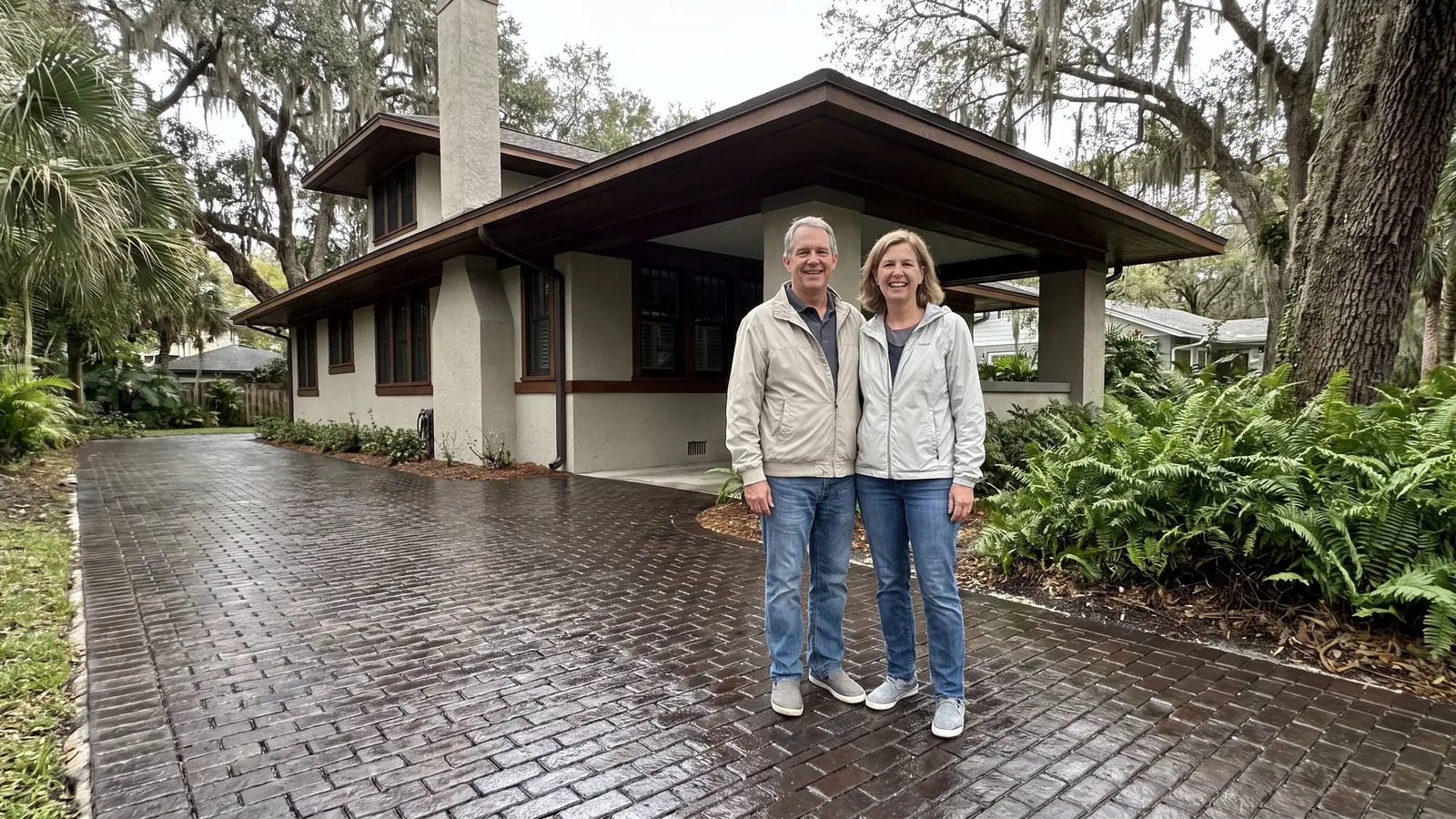
Paver sealing for Jacksonville Beach homes
Paver Sealing in Jacksonville Beach, FL
Between the ocean and the Intracoastal, Jacksonville Beach pavers face salt and sand, so call (904) 569-7795 for a free estimate.
- Brings out deeper paver color
- Fresh joint sand helps lock pavers in place
- Gives weeds less room to grow
- Makes the surface easier to keep clean
- Free estimate, no obligation
Request a Free Estimate
Free, no obligation.
Fast, careful paver sealing in Jacksonville Beach
Paver sealing is available in Jacksonville Beach, from the walkable grid of South Pablo Beach to the single-family streets off Penman Road. A local contractor washes, re-sands and seals driveways, patios and pool decks, and the first visit is a free estimate. Reach out with ask for a free estimate and expect a reply within 1 business day, usually much sooner.
Maybe your entry courtyard has gone gray and gritty, with sand packed into every seam and a pale film where the spray hits. After a wash, new joint sand and a fresh coat, those same pavers look clean and even again. To talk it through first, call (904) 569-7795 and ask whatever comes to mind.
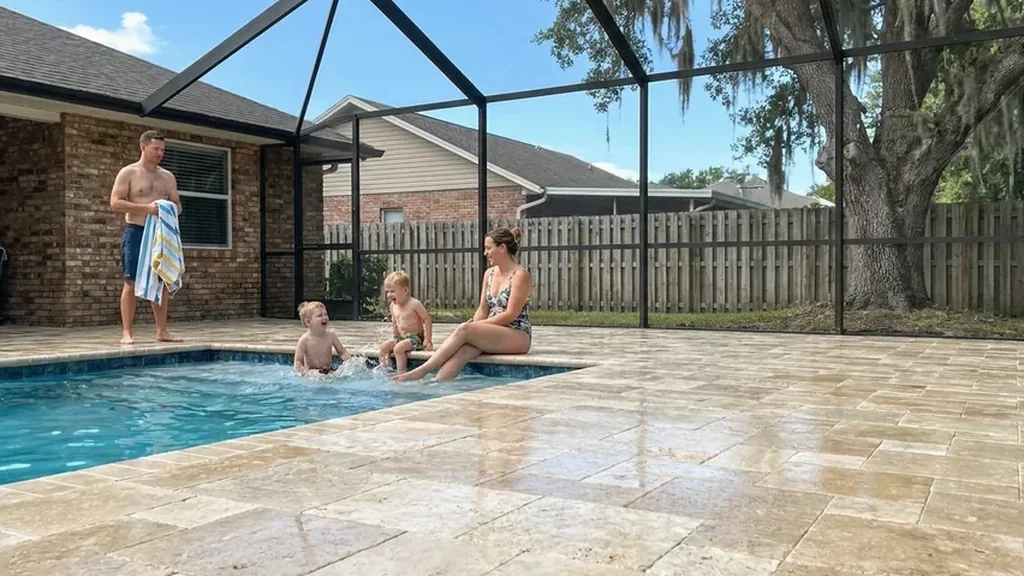
Why hire a local paver sealing contractor in Jacksonville Beach?
Jacksonville Beach homes range from 1920s cottages in Sea Grove to early 1980s houses in Ocean Terrace, so pavers here vary in age and condition. To get a local contractor's eyes on yours and a price in plain numbers, ask for a free estimate.
Estimate at no charge
The contractor looks at your Jacksonville Beach pavers and prices the job for free. Say yes only if it suits you.
A range you can check
Companies around Northeast Florida commonly publish $1.75 to $3.25 per square foot to clean, sand and seal. Check any beach bid against it.
Grip around the pool
Gloss without an anti-slip additive is slippery when wet, so pool decks get grip. Ask how a Jacksonville Beach deck would be handled.
Dry-surface timing
Sealer over damp pavers can turn white, so a contractor on the Beaches waits for dry. You approve the date.
Get Your Free Estimate in Jacksonville Beach
Tell us about your pavers in Jacksonville Beach.
Free, no obligation
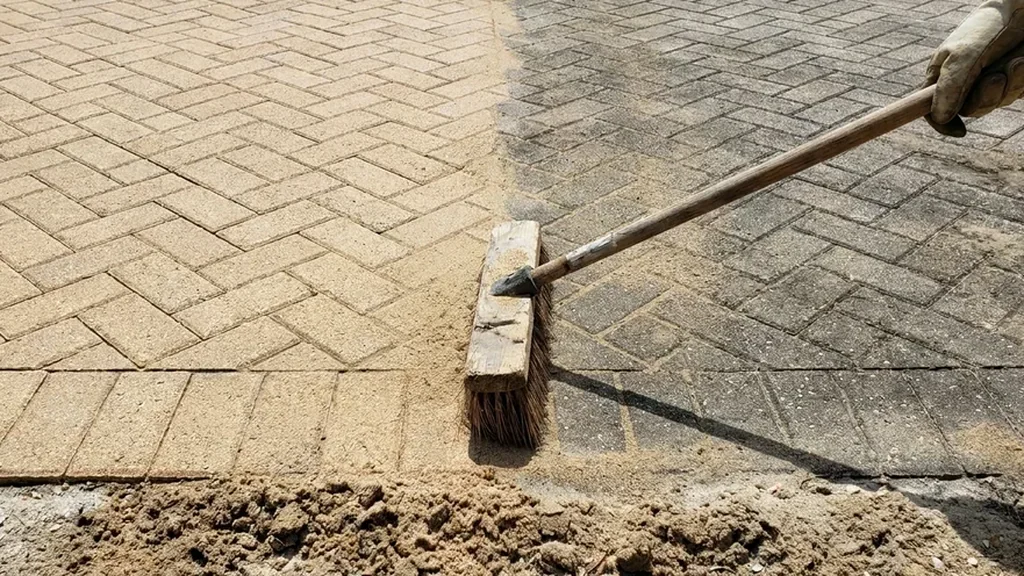
What paver problems show up most in Jacksonville Beach?
Salt and sun chalk the color
Salt in the air settles on bare pavers and works into the pores, one beaches paver company reports, and older ones turn chalky in sun and salt. Jacksonville Beach sits on a barrier island with the ocean on one side and the Intracoastal Waterway on the other. A paver maker says routine rinsing helps manage buildup in coastal areas. Washing clears the film so the sealer can bond to clean stone. The color usually looks richer once that haze is gone, which is the first thing most owners notice. Water covers about two thirds of the city's area, which keeps the air humid and salty from block to block.
Sandy ground and migrating joint sand
The University of Florida describes coastal sites as having inescapable salt and sandy soils. That same company says sandy ground and heavy summer rain make joint sand migrate. Over time joints thin out, pavers loosen and weeds find a foothold, and a loose paver can tilt under a bare foot. Fresh sand goes back in after the wash, before any sealer, and sealer then helps it stay put. Without that step, the first hard rain starts the loss all over again. The Beaches sit on a 37-mile barrier island, a long strip of sand with water on both sides.
Slick, scuffed pool decks
A Jacksonville paver company says gloss without an anti-slip additive is slippery when wet, and that matte is the safest finish near pools. PaverGuard lists sunscreen and furniture scuffs as pool deck wear, and says salt-system decks benefit from a rinse after parties. Chlorine and salt residue also shorten the time between coats. A deck is chosen with grip first and shine second, and the contractor should say which product goes on before work begins. Matte also hides the scuffs that chairs leave. Chlorine and salt residue also wear a coat faster, which is why pool decks run on a shorter cycle than a shaded walkway.
Green on the shaded north side
Humid air keeps surfaces from drying out fully, and shaded north-facing spots grow algae and mildew, according to a beaches paver company. A tall wall or a hedge can shade a whole side walk for most of the day. That green has to come off first, because sealer over algae locks it in, and the spot is usually the first one to come back if skipped. Oak leaf tannins and irrigation rust also stain drives and walks, according to one Jacksonville company, so green is rarely the only thing to wash off.
A mystery coat from an earlier owner
Sea Grove has 174 homes built in the 1920s and San Pablo Terrace has a median build year of 1963, so many patios and drives have changed hands. If an earlier owner used a solvent-based sealer, a water-based one cannot go over it. One company says changing finishes later means stripping. Knowing the old product early saves time and money, and it keeps the contractor from guessing. If nobody knows, tell the contractor when the pavers went in, and the guess gets better. A coat of a different finish laid over the first one later means stripping, so the contractor wants the full story before quoting.
Do South Pablo Beach, Sea Grove and Ocean Terrace need different paver sealing?
How do South Pablo Beach and Sea Grove homes differ?
Often yes, because the homes differ in age and size. South Pablo Beach is a walkable grid near the ocean, and nearby Sea Grove has 174 homes built in the 1920s. A cost guide says gates, stairs and tight side yards add prep time. Tell the contractor your block when you ask for a free estimate.
What does an Ocean Terrace home mean for pavers?
Ocean Terrace dates to the early 1980s, has mostly single-family homes of about 2,250 to 3,100 square feet, and has an HOA. Off Penman Road, San Pablo Terrace holds houses built between 1955 and 2005, and the middle year is 1963. Pavers in both areas have likely seen many seasons and more than one coat, so ask the contractor how the old finish will be handled. Call (904) 569-7795 and say which area is yours.
Which historic styles shape these streets?
Style counts here too. Wikipedia notes the Mission-style Casa Marina Hotel from 1925, an Art Moderne lifeguard station from 1947 and a collection of Mid-Century modern homes. A natural-tone matte coat keeps pavers from competing with that architecture, whether the house is a 1920s cottage or a mid-century ranch. If an HOA reviews your finish, ask for its written rule on sheen, then ask for a free estimate.
What does paver sealing cost in Jacksonville Beach?
What does the Northeast Florida range cover?
The range for Northeast Florida is $1.75 to $3.25 per square foot to clean, sand and seal, priced once the joints are inspected. Several small areas, such as a stoop, a side walk and a patio, cost more per foot than one big driveway, since prep does not shrink with size. Stairs and gates add to the prep as well. For the total at your address, ask for a free estimate.
Why do pool decks price differently?
Pool decks change the product and the price, because a penetrating sealer or a film with anti-slip additive is used. Stripping failed old sealer is extra, and a damaged base has to be fixed before any coat goes down. Salt-system pools can shorten the time between coats to about 18 to 24 months. Call (904) 569-7795 to hear which of these would touch your job.
| Paved area | Typical example | Clean, sand and seal |
|---|---|---|
| 300 sq ft | Small patio or walkway | $525 to $975 |
| 600 sq ft | Two car driveway | $1,050 to $1,950 |
| 1,000 sq ft | Large driveway or pool deck | $1,750 to $3,250 |
| 1,500 sq ft | Driveway plus pool deck | $2,625 to $4,875 |
Math based on the $1.75 to $3.25 per square foot that Northeast Florida paver companies publish. Your contractor sets the actual price after seeing the surface. Repairs, leveling and stripping failed sealer are usually extra.
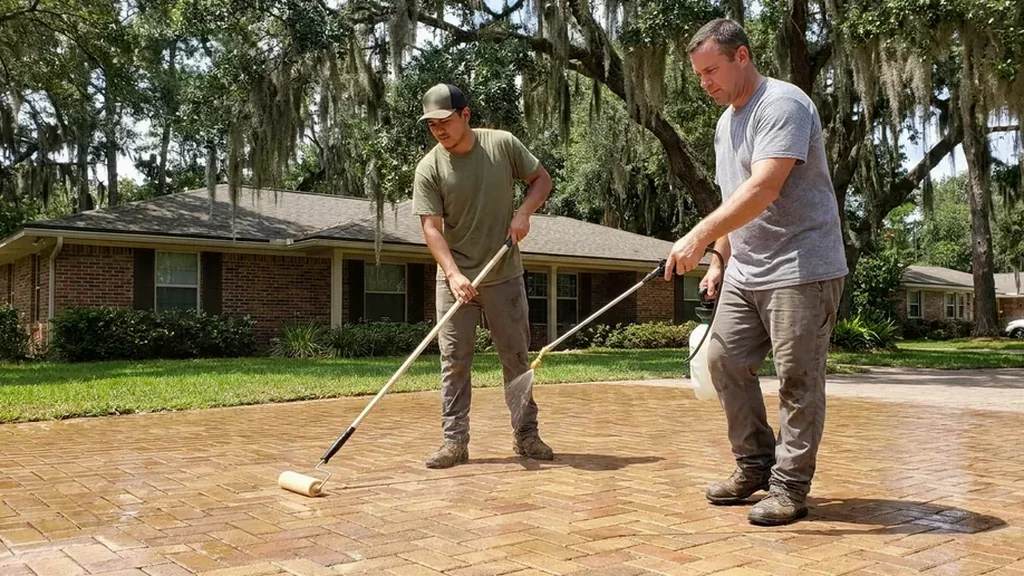
How does a paver sealing job work in Jacksonville Beach?
Look at the pavers, the pool deck and the old coat
The contractor walks every surface you want done, from the driveway to the pool deck, and notes sunken spots, stains and any place where water pools after rain. Tilted or sunken spots are fixed before anything else, because sealer would only preserve them. An earlier coat limits the choices, since water-based sealer will not go over a solvent-based one. Say if anyone knows what was used, and mention any pool equipment pads or steps you want included. The contractor also checks steps, edges and any spot where water pools after rain.
Wash away salt, sand and green growth
The wash takes off the salt film, algae and mildew from shaded spots, and tire marks. A trade supplier warns that more than 3,000 PSI risks stripping standard concrete pavers, so the wash stays gentle on the stone. Door thresholds and flower beds are kept clear of runoff. Pool decks get extra attention near the edge, where splash-out collects, since pool splash-out leaves a white residue that stresses sealer. Oil drips and tire marks near the garage are treated before the main wash.
Replace the joint sand
Washing pulls out joint sand, so new sand goes in to replace it. On sandy ground, with heavy rain and wind, joints thin out fast, and empty joints are where weeds and ants start. The contractor fills them, packs them and sweeps the surface clean. A sand color close to the paver color makes the finished surface look tidy. Migrating joint sand is one way a patio comes to feel loose, so this step matters near the ocean.
Wait out the sea-air damp
Stone has to be dry before sealing, and humid beach air keeps surfaces from drying out fully, so the wait can run long. Summer storms feed on the sea breeze, which lifts hot, humid air into showers, so a date may move. A moved date beats sealer that turns white over damp stone, and most owners agree once they see the difference. One company calls fall the preferred season because it is drier, which is worth knowing if your date is flexible.
Seal with grip where it counts
Next the sealer goes on in two passes, a spray and then a roller, so it settles into the joints. Pool decks get an anti-slip additive or a penetrating sealer so they stay safe when wet, and a low sheen keeps glare down. Bare feet are fine after a few hours, but tires should wait about a day. Get the product name for next time, plus a note on when furniture can go back. One heavy pass is a mistake, since a thick coat can cloud up.
Complete paver services in Jacksonville Beach
In what order does a Jacksonville Beach job run?
A Jacksonville Beach job follows a clear order: wash, re-sand, dry, seal. The wash clears salt film, algae and tire marks, and any rust or oil spots get treated first. Sand goes back into the joints, and sealer goes on once the surface is dry. For a sense of how long each stage runs on your lot, call (904) 569-7795.
Which beach home surfaces get sealed?
Beach homes carry a mix of surfaces. Driveways take tires, front walks and stoops take daily steps, and pool decks take splash, sunscreen and furniture, which PaverGuard names as common wear. Courtyards between buildings may stay shaded and damp, and shared ones may belong to an association. List each surface when you ask for a free estimate, so the quote covers all of them.
Water-based or solvent-based sealer?
Sealer choice has two parts. The old coat decides water-based or solvent-based, because water-based sealer cannot go over solvent-based, and then you choose matte or wet look. Matte keeps the natural tone and is the safer pick near pools, while a wet look deepens color and shows scuffs sooner. To talk through a finish for your home, call (904) 569-7795.
When do sea breezes and showers allow sealing?
Timing follows the weather. A nearly daily summer sea breeze lifts humid air into showers, and one company calls fall the preferred season because it is drier. Companies commonly quote two to five years between coats, and PaverGuard says near the coast it is closer to 18 to 24 months, so a shorter cycle is normal here. To plan a day that works, ask for a free estimate.
Questions to ask before you hire
- Who handles low spots where the pavers have settled?
- Is the product made to hold up around a pool where the deck stays wet?
- Do the lights and sprinkler lines set in my pavers get covered or avoided?
- What is the next step if the finish looks cloudy a week later?
- Does the sealer change how slippery the surface feels when it rains?
- Do I get before and after photos once the job is done?
- Which sheen will my pavers end up with, and is that something I pick?
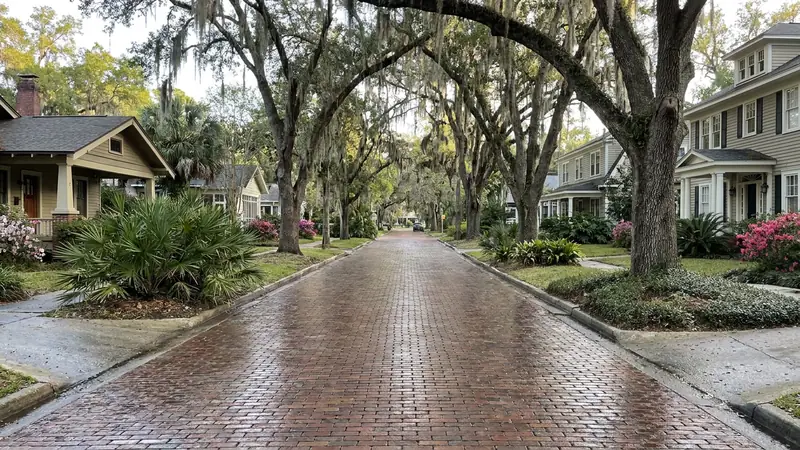
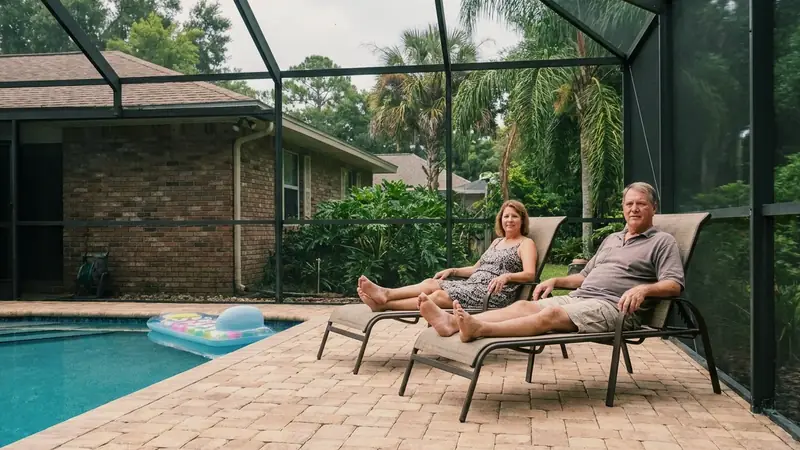
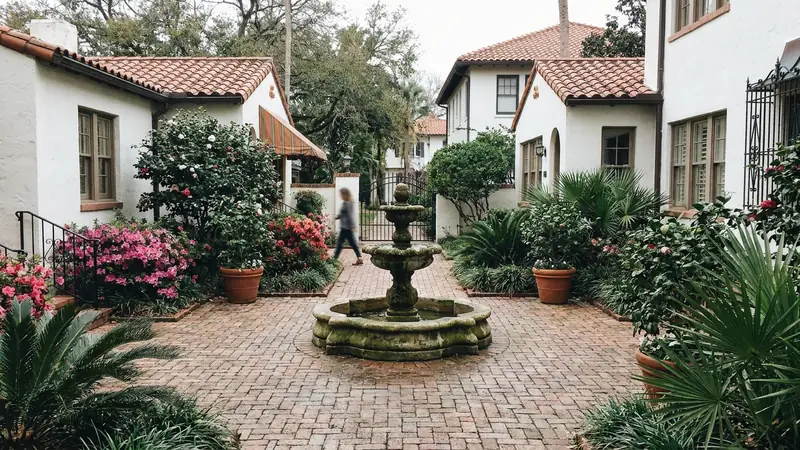
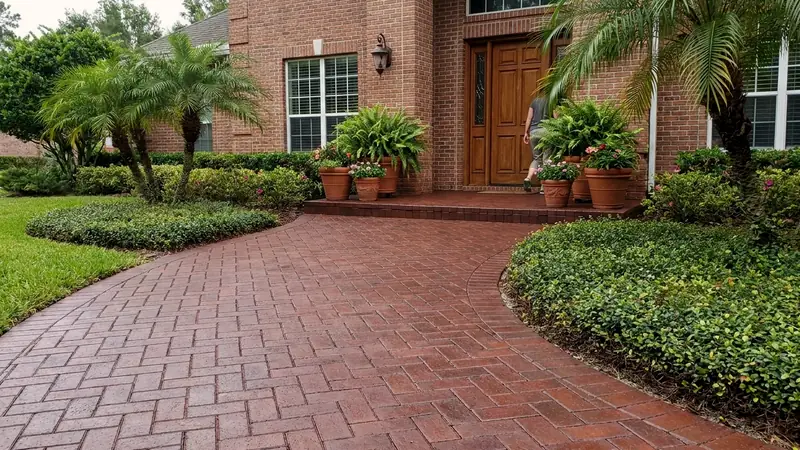
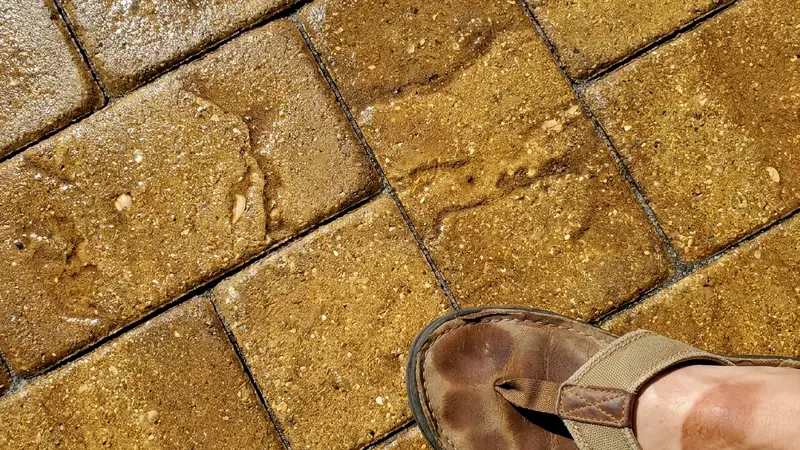
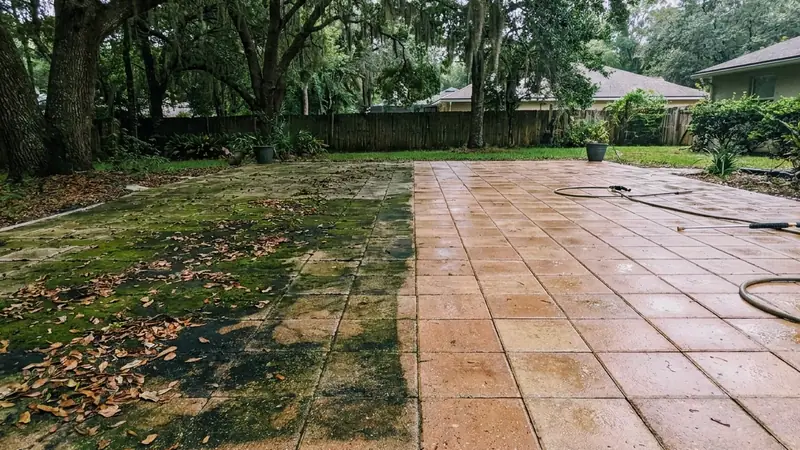
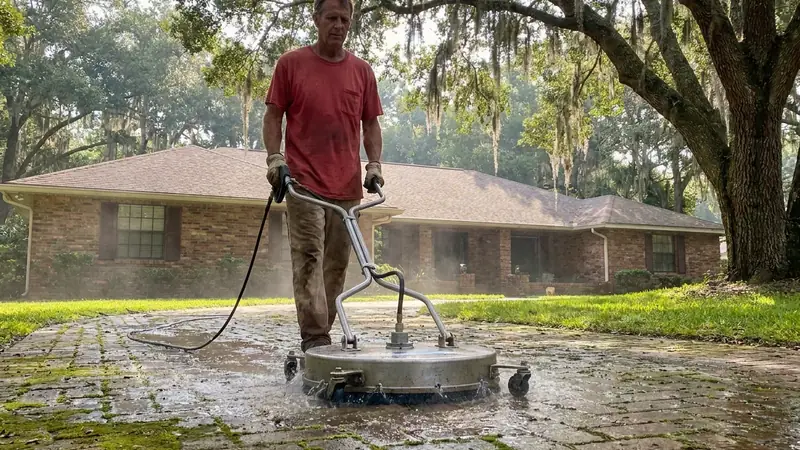
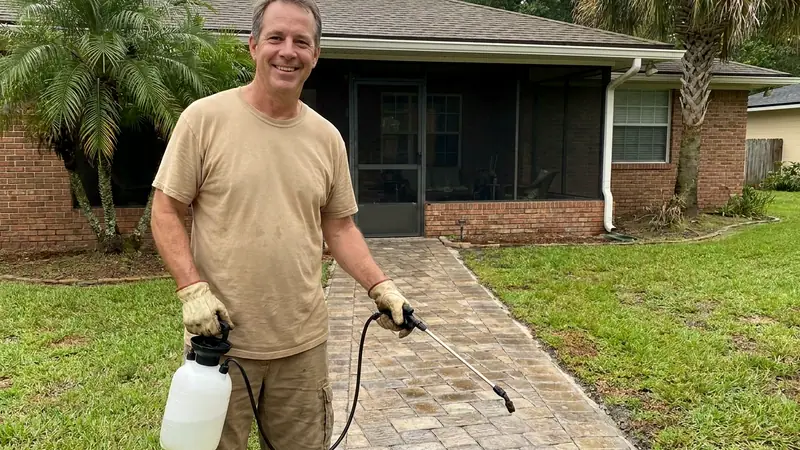
What do sealed pavers look like around Jacksonville Beach?
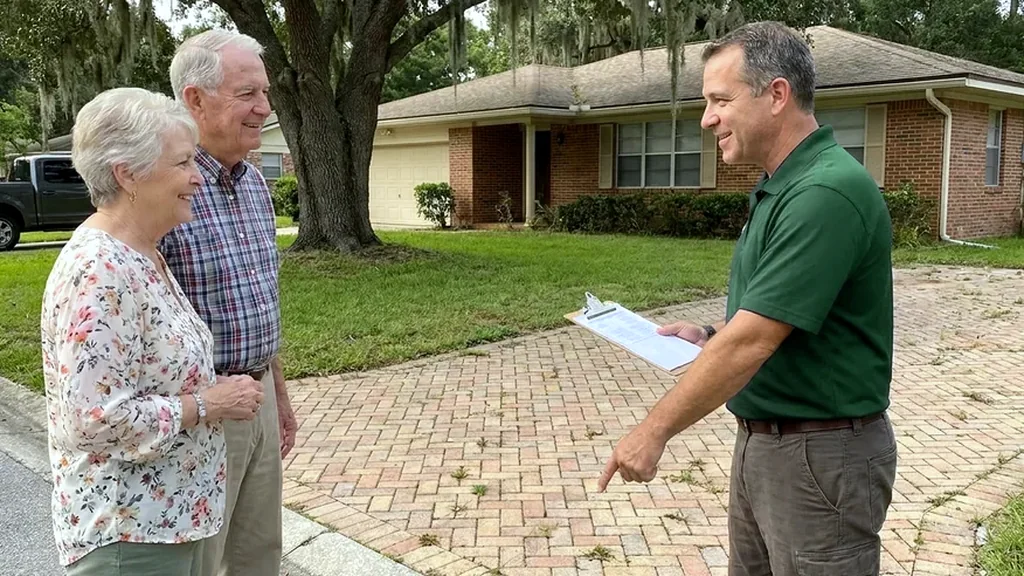
Why local matters in Jacksonville Beach
What does a white film on a beach patio mean?
Anyone who works Jacksonville Beach knows what a white film on a patio means, and that a pool deck needs grip before shine. They also know that salt reaches the whole island, and that a pool with a salt system adds its own residue. Contractors used to inland work may not think to ask. For a contractor who knows the island, call (904) 569-7795.
Why does a summer storm change the schedule?
Local work also means respecting the weather. A summer afternoon can turn from sun to storm fast, and sealer on a damp surface can go white. A contractor here plans around the sea breeze and will move your day if the stone is wet. To learn how a rescheduled day works, ask for a free estimate.
Do 1920s cottages and 1980s homes need different care?
The housing mix matters too, from 1920s cottages in Sea Grove to early 1980s homes in Ocean Terrace. Each era has its own pavers, access and rules and its own owners to ask. A local contractor has seen them all and can say what to expect. If the picture is unclear, ask for a free estimate and describe your home, with no obligation to hire anyone.
How did Jacksonville Beach get its name and its shape?
How did Ruby become Jacksonville Beach?
It started as a small settlement called Ruby. William Edward Scull and Eleanor Kennedy Scull built the first house in 1884 and named the place for their first daughter. It became Pablo Beach in 1886, was incorporated in 1907 and took the name Jacksonville Beach in 1925. Anyone close to the old streets around the museum can ask for a free estimate.
How did the railroad shape the town?
The railroad shaped the town, and Beach Boulevard follows the old railway bed of the Jacksonville and Atlantic Railroad. The Beaches Museum at 381 Beach Boulevard keeps the area's first post office, a 1911 train engine and a chapel from 1886. Latham Plaza and the Seawalk Pavilion sit at 11 1st Street North. Near any of these Jacksonville Beach landmarks, call (904) 569-7795 and name your street.
Frequently Asked Questions
How much is a square foot of paver sealing in Jacksonville Beach?
Expect $1.75 to $3.25 per square foot to clean, sand and seal, going by rates published across Northeast Florida. A pool deck, tight access or old sealer that needs stripping can push a Jacksonville Beach quote higher. Ask for the total area in writing so you can compare bids to that range. A fair bid shows the square footage and what is included. Quotes are usually priced after the joints are inspected, so the final figure can move a little from the first call.
Is it good to seal pavers in Jacksonville Beach?
For most beach homes, yes. A beaches paver company says salt settles on unsealed pavers and works into the pores, and that sun and salt chalk older ones. Sealing slows weeds and ants and keeps joint sand in place. Pick matte if you want fewer visible scuffs, or a wet look if you want deeper color.
How long do paver sealers last in Jacksonville Beach?
Beach decks and salt-system pools sit at the short end of the usual two to five years between coats. Salt-system pool decks and coastal driveways need a new coat about every 18 to 24 months, PaverGuard says. Washed-out color, joint sand eroding after storms and a rough or chalky surface are signs a reseal is due.
Are there paver sealing and pressure washing businesses in Jacksonville Beach?
Yes. Several companies in the local results for Jacksonville Beach list paver sealing, pressure washing or both. Washing is the first step of any sealing job, so most pavers get both. A trade supplier warns that going above 3,000 PSI can strip standard concrete pavers, so ask how hard a contractor washes.
Will salt in the air damage my Jacksonville Beach pavers?
It does not ruin the stone, but it dulls the surface. Salt leaves a film, sun and salt chalk older pavers, and humid air keeps things damp. A fresh wash and coat bring the color back. A paver maker suggests routine rinsing in coastal areas to manage buildup. Chlorine and salt residue around a pool add their own wear.
What sealer is right for a Jacksonville Beach pool deck?
Pick grip first. One Jacksonville company says gloss without an anti-slip additive is slippery when wet and that matte is the safest finish near pools. A cost guide says most pool decks get a penetrating sealer. Ask the contractor which they would use and why, and write the answer into the estimate.
Do I need HOA approval to seal pavers in Jacksonville Beach?
Only if your declaration or published guidelines call for it. Ocean Terrace, for example, has an HOA. An HOA that says no should name the rule in writing. A natural-look matte finish is the easiest to defend as upkeep.
How soon can I walk or park on newly sealed pavers in Jacksonville Beach?
A Jacksonville company says feet can return after a few hours and cars after about a day. Damp air near the ocean can slow the surface drying, so ask the contractor for a time that fits your deck or drive.
Ready for a Free Estimate in Jacksonville Beach?
Call (904) 569-7795 and tell us about your pavers.
Free, no obligation